

Vagus Nerve Stimulation Device Manufacturer ABIS Details Private-Label Supply
News originally published by
EIN Presswire
abislife-Exhibition-1

Vagus Nerve Stimulation Device Actual photos of the warehouse

Sleep Aid Device Massager Manufacturer

Sleep Aid Device Massager Manufacturer m001
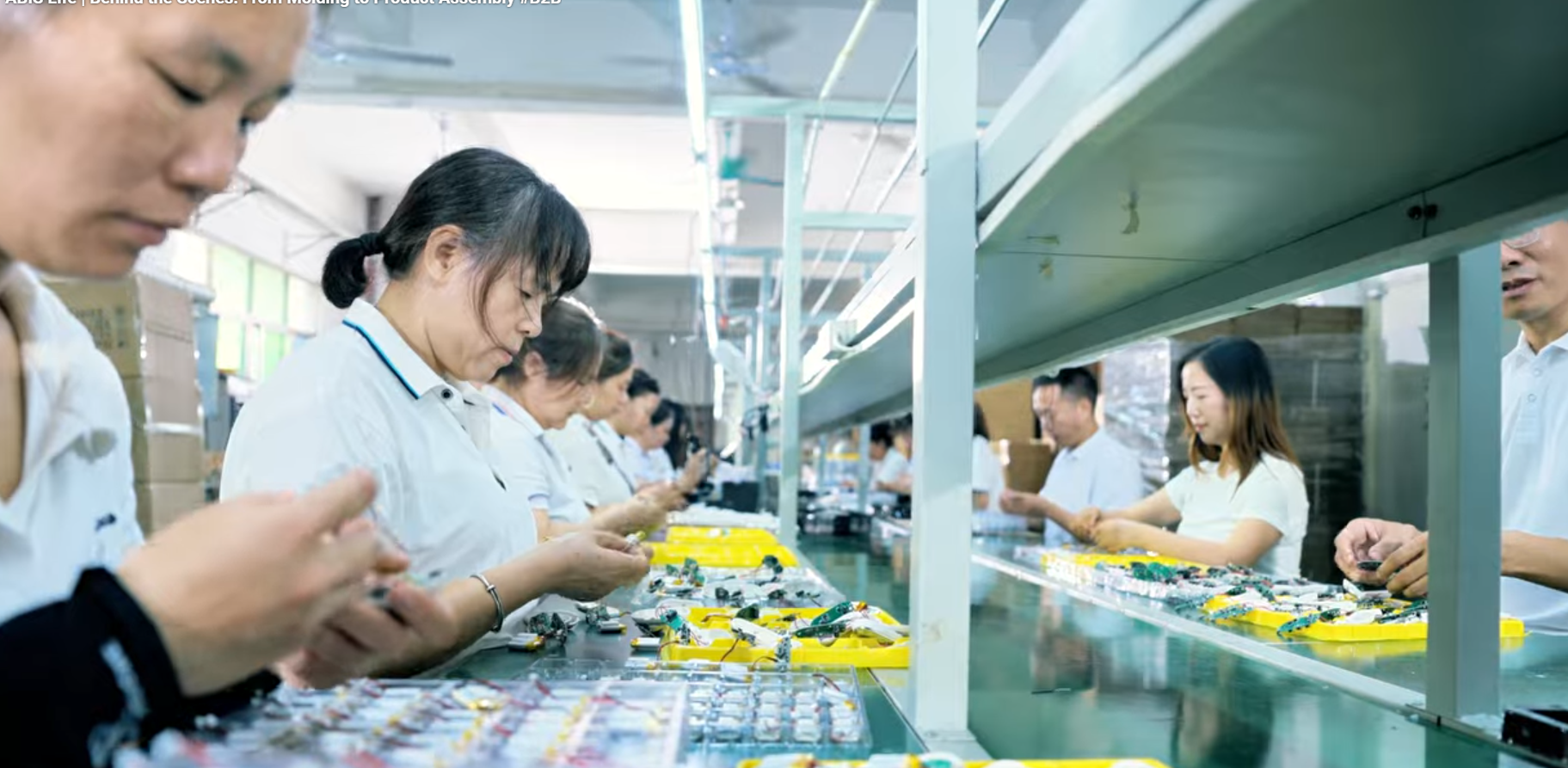
Factory assembly line
Vagus Nerve Stimulation Device Manufacturer ABIS Details Private-Label Supply
SHENZHEN, GUANG-DONG, CHINA, November 19, 2026 /EINPresswire.com/ -- For sleep and wellness brands, bringing an electrical device into a product range involves decisions about safety information, product claims, manufacturing consistency and customer support. The supplier’s role extends from providing a sample to helping define what will be delivered under the buyer’s brand. A successful sourcing discussion connects the physical product with the packaging, documentation and supply arrangements required by the intended sales channel.ABIS is presenting its wearable device and private-label cooperation options to businesses evaluating a Vagus Nerve Stimulation Device Manufacturer. The company’s offering provides a starting point for brands and distributors planning a branded wellness collection, with the commercial discussion centered on the proposed configuration and route to market.
For these buyers, the opportunity is to evaluate an existing product while deciding how much adaptation their own collection requires. That can mean refining the presentation, requesting a particular configuration or exploring a more substantial development brief. The objective is to turn a product idea into a clearly defined commercial offer.
A Physical Product at the Center of the Brand Discussion
ABIS’s published configuration describes a rechargeable, 78 g neck-worn device with integrated controls, a wireless remote and Bluetooth app operation. Black and gray versions are shown. The page identifies the technology as Transcutaneous Vagus Nerve Stimulation, also described as tVNS or TVNS, and lists eight modes, including Sleep and Relax. These specifications are presented in the company’s Vagus device overview.
Those specifications give a brand team tangible material to assess. A physical sample allows the buyer to examine surface finish, control placement, the shape of the contact areas and the way the product is handled during setup. These observations can be recorded alongside the proposed specification rather than left as informal impressions.
The sample can also guide the visual direction of the collection. Product photography can show the device’s scale and its relationship to the accessories. Close-up images can explain details that are difficult to communicate through a product name alone.
For an established wellness brand, that process creates a concrete connection between the item being purchased and the experience being presented to customers. For a business entering the category, it offers a practical starting point for asking informed questions.
Planning the Experience From Opening the Box
A product launch begins with what the customer receives. Before discussing a larger order, a buyer can review the complete proposed package and work through the first-use sequence: identifying the contents, locating the instructions, preparing the device and finding the relevant operating guidance.
This exercise can reveal useful presentation decisions. The arrangement of the box may need to make the main components easier to identify. The quick-start material may need clearer illustrations. A retailer may want a separate demonstration sheet for staff, while an online seller may need a short setup video accessible from the product listing.
The aim is consistency across the launch materials. The photographed product, printed instructions, accessory list and delivered configuration should agree. When several teams contribute to a launch, a shared reference sample can help keep those materials aligned.
For a private-label project, the unboxing review is therefore a commercial planning step. It helps define the product as a complete offer, including the information that accompanies it, instead of treating packaging as a final decorative decision.
Giving the Connected Experience a Clear Place in the Offer
The ABIS product page lists companion-app functions covering meditation, an audio library, white noise, breathing guidance and usage records. These features provide additional subjects for product evaluation and customer education.
For a brand owner, the key question is how the proposed connected experience will be explained. A retail demonstration can introduce the essential controls first, followed by the functions relevant to the intended audience. An online listing can present the same sequence through photographs, interface images and concise descriptions.
Before preparing those materials, buyers can confirm the app version, supported phones, available languages and content-access arrangements for the quoted product. They can also identify who will maintain customer guidance if the interface changes after launch.
An activity record should be described according to what it actually records. Likewise, a mode name should not be treated as evidence of a medical outcome. Accurate descriptions allow the product story to focus on the available functions and intended relaxation experience while giving customers a clearer understanding of the purchase.
Creating a Private-Label Identity Across the Whole Product
ABIS invites discussions about device colors, logo application, retail packaging and language requirements. A customized vagus nerve stimulator project can use these elements to establish a consistent identity across the physical item and its supporting materials.
For example, a brand with a restrained visual style may choose to review a simple finish, discreet marking and minimal packaging graphics. Another business may need the product to sit within a color-coded collection. These are design briefs to discuss and evaluate, rather than assumptions about what every configuration can accommodate.
A custom logo vagus nerve stimulator order also benefits from a defined approval sequence. Artwork should be reviewed at its intended size and position, with attention to legibility and the space around controls. Packaging proofs should use the same approved product name and visual references.
The commercial value comes from coherence. The customer sees one recognizable product across the box, device, instruction material and storefront. The buyer has a set of approved files and samples to reference when discussing production or placing a repeat order.
Matching Development Work to the Intended Launch
Not every branded project requires the same engineering scope. A business seeking presentation changes can begin with a review of the reference configuration. A project involving different hardware, operating behavior or construction needs a more detailed technical discussion.
For an OEM vagus nerve stimulator inquiry, the buyer can identify the specification to be manufactured and provide any drawings, artwork or component requirements already available. The proposal should clarify which responsibilities belong to the customer and which will be handled by the manufacturing partner.
An ODM vagus nerve stimulator discussion can start with the intended user experience and a description of the changes being explored. Feasibility, prototypes, tooling, design ownership and approval stages then become part of the project definition.
Separating these decisions helps keep the launch plan realistic. A requested modification can be assessed for its effect on development work, sample requirements and documentation before it becomes a firm purchasing commitment.
Connecting Factory Capabilities With Order Requirements
ABIS’s manufacturing presentation covers design and tooling through electronics, battery assembly, final assembly, testing, production and packaging. For business buyers, the relevance of that workflow lies in how it will be applied to a particular order.
A useful factory discussion can begin with the approved product specification and work backward through the required checks. Purchasing teams can ask how components are identified, how the production reference is maintained and how inspection results are linked to the goods being shipped.
The same discussion can address changes. If a part, finish or software revision is proposed, the buyer needs to know when it will be notified and what approval will be required. These arrangements are particularly relevant when a brand has already prepared packaging or committed to a customer launch date.
For a Vagus Nerve Stimulation Device Manufacturer evaluation, the objective is to connect visible facilities with repeatable project practices. The factory tour and the written order should tell a consistent story about how the selected product will be made and checked.
Quality Documentation That Supports a Brand’s Purchasing Decision
ABIS reports ISO 9001:2015 certification and includes BSCI, CE, RoHS and FCC references in its company materials. Its published quality overview describes incoming, in-process and final inspections, supported by equipment for manufacturing and functional evaluation.
These references give purchasing teams a basis for requesting a relevant documentation package. Buyers should review current records, the organization and site covered, and the relationship between any product report and the exact configuration under discussion. Company-level credentials and model-level documentation answer different questions.
BSCI belongs within a social compliance review. Product conformity, intended use and customer-facing claims require their own supporting assessment. Keeping those categories clear makes the supplier review more useful and helps prevent a general credentials statement from being mistaken for approval of a particular device claim. amfori’s BSCI information describes the program’s social compliance focus.
The quality conversation can also establish the acceptance process for the order. Sample approval, inspection criteria, handling of nonconforming items and responsibility for corrective action should be understandable to both parties before production proceeds.
For a private-label buyer, these records support continuity between the product selected during development and the goods received for sale.
Different Sales Channels, Different Launch Materials
The same reference product can raise different commercial questions depending on where it will be sold. A specialist retailer may prioritize a demonstration unit and staff guidance. An importer supplying several accounts may need a product sheet that separates specifications, ordering options and support information.
An online brand may focus on photography, setup explanations and clear descriptions of package contents. A distributor developing a dealer network may want to establish how technical questions, replacement requests and product updates will move between the parties.
These differences should appear in the sourcing brief. A vagus nerve stimulator supplier can respond more meaningfully when the buyer explains the channel, intended customer and materials needed to support the launch.
For retailers evaluating a connected wellness device, the practical objective is a product that can be introduced accurately and supported consistently. For the brand owner, the objective is to make those requirements part of the order discussion, rather than addressing them only after stock arrives.
A Broader Collection With Clearly Defined Product Roles
ABIS also presents a handheld M001 microcurrent product through its Sleep Aid Device Manufacturer offering. This gives portfolio buyers another format to assess when considering an adult relaxation and sleep-product collection.
A range can have a shared identity while giving each item a distinct role. Buyers can compare how the products are handled, how they are demonstrated and what operating information accompanies each model. The comparison should preserve the differences between technologies, specifications and intended positioning.
For a business introducing several products, a collection plan can identify which item leads the launch and which items may follow. Common visual elements can be coordinated while model-specific instructions and documentation remain separate.
This approach allows the broader assortment to support the main product story. It also gives retailers a clearer way to explain the collection, with each item presented on its own documented characteristics.
Making the Wholesale Proposal Commercially Useful
A wholesale vagus nerve stimulator quotation should describe the product the buyer intends to sell. The inquiry can identify the target country, opening quantity, branding requirements, accessory expectations and preferred delivery window.
When comparing factory price proposals, purchasing teams can separate recurring unit costs from one-time development or setup charges. They can also clarify packaging inclusions, shipment responsibilities and the terms attached to samples or later orders. This makes the comparison more informative than a unit-price figure viewed in isolation.
A bulk vagus nerve stimulator purchasing plan can distinguish launch inventory from replenishment forecasts. The first order may support a defined group of sales channels, while later quantities can be discussed against the business’s actual requirements.
Dropshipping for vagus nerve stimulators should be treated as a separate fulfillment discussion. Availability, delivery territories, tracking, branded packaging and returns need an agreed process before the buyer includes that service in its customer offer.
Planning Support Beyond the First Shipment
ABIS identifies Europe, the Americas and Australia among its export destinations. Its published service information includes technical support, spare parts and a one-year warranty, with order-specific arrangements to be confirmed during the purchasing discussion.
For a brand building a continuing product line, the support plan can address who receives technical questions, what information is needed to evaluate a reported problem and how approved product changes will be communicated. These details help the buyer prepare its own internal service process.
Repeat orders also benefit from a retained product reference. The approved configuration, artwork, instructions and packaging records can be reviewed before replenishment, particularly where a later order differs from the original launch quantity or destination.
The purpose is to maintain a clear relationship between the initial sourcing decision and the ongoing supply arrangement. A defined support process gives the commercial team practical information to work with as the product range develops.
A Launch Checklist for Prospective ABIS Partners
Businesses considering ABIS for a branded product project can use the following checklist to prepare a focused inquiry:
- Identify the target market, adult customer group and intended sales channels.
- Request the current product specification and confirm the proposed sample configuration.
- Review physical handling, controls, accessories and the first-use instructions.
- Confirm app compatibility, language availability and software support responsibilities.
- Define logo application, finish, packaging artwork and approval stages.
- Request relevant factory records and model-specific documentation.
- Agree quantities, quotation inclusions, inspection criteria and shipment responsibilities.
- Clarify warranty handling, repeat-order references and any special fulfillment requirements.
ABIS can be included in the supplier shortlist on that basis, allowing prospective partners to compare the product and proposed cooperation against a defined commercial brief.
Brands, importers and distributors can use Get Instant Quote to request sample terms, discuss a private-label configuration or submit an OEM/ODM development brief. Providing the company name, destination market, estimated volume and customization priorities will help focus the conversation on the product the business plans to bring to market.
About ABIS
Shenzhen ABIS Smart Home Technology Co., Ltd., established in 2010, provides OEM and ODM services for sleep-related products. Its product presentations cover wearable devices, handheld sleep aids and white noise products for business customers.
Information regarding the sleep aid device manufacturer can be found at the following URL:https://www.abislife.com/sleep-aid-device-for-adults/
Business and Media Contact
Freya
Shenzhen ABIS Smart Home Technology Co., Ltd.
Tel / WhatsApp: +8613652371937
Email: Freya@abislife.com
Website: https://www.abislife.com/
Product: https://www.abislife.com/vagus-nerve-stimulation-device.html
Get Instant Quote: https://www.abislife.com/contact-us
Other Business Information:
nformation regarding automotive injection molding can be found at the following URL:https://www.abismould.com/automotive-injection-molding.html
Information regarding custom drone parts molds can be found at the following URL:https://www.abismould.com/drone-injection-molding.html
Freya
Freya@abislife.com
+86 13652371937
Visit us on social media:
Facebook
YouTube
Inside ABIS Life: Warehouse Tour & Innovative Sleep Products #B2B #oem #odm
Legal Disclaimer:
EIN Presswire provides this news content "as is" without warranty of any kind. We do not accept any responsibility or liability for the accuracy, content, images, videos, licenses, completeness, legality, or reliability of the information contained in this article. If you have any complaints or copyright issues related to this article, kindly contact the author above.
