

Tribeca Dental Studio Publishes Guide to Modern Dentures and Implant-Supported Options
News originally published by
EIN Presswire
Dr. Nina Izhaky, founder of Tribeca Dental Studio
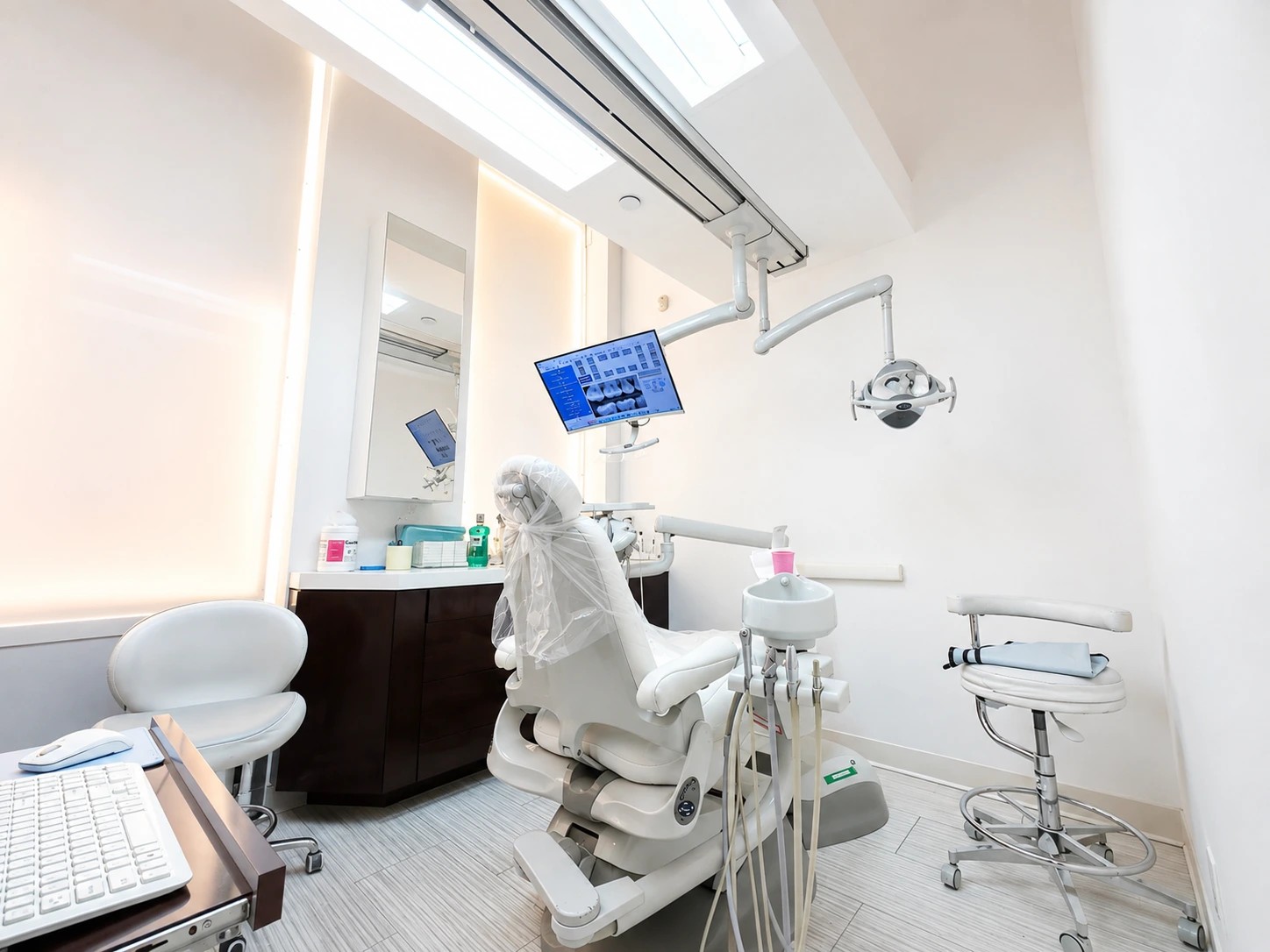
Tribeca Dental Studio operatory
What today's dentures can and cannot do, why fit decides everything — and when anchoring them to implants changes life for the person wearing them.
NEW YORK, NY, UNITED STATES, November 20, 2026 /EINPresswire.com/ -- Dentures carry an old reputation: loose, sore, soaking in a glass. The dentures made today are a different appliance — digitally designed, individually fitted, and made from materials that look like the teeth and gums they replace. Tribeca Dental Studio has published its guide to modern denture treatment: the base materials patients can choose between, what each feels and functions like, and the implant-supported options for patients who need more.
A denture is teeth set in a base, and the base decides how the denture feels. The practice offers both of the main kinds. A Valplast base is flexible nylon: it bends slightly with the mouth instead of sitting rigidly on it, needs no metal clasps — the flexible material itself wraps the teeth it holds onto — and lets the patient's own gum color show through, so a partial denture all but disappears when worn. Patients describe it as the comfortable one: light, forgiving on sore spots, and kind to the teeth it grips. A metal-framework base is the opposite philosophy — a thin, rigid cobalt-chromium skeleton cast to the exact shape of the mouth. It is stronger and thinner than a full acrylic base, conducts temperature so food feels more natural, and holds its fit for years; it is the base of choice when maximum strength and precision matter, typically for partial dentures carrying heavy biting loads. Neither is "the better base" for everyone — the mouth, the remaining teeth and the bite decide, and the practice plans that choice with the patient rather than for them.
Fit remains the whole game. A denture's success is decided by how the bite is balanced, how the teeth are set for the patient's face, and how the appliance is adjusted as the mouth changes — the jaw beneath a denture slowly remodels, so a denture that fit at delivery needs periodic relining to keep fitting. The practice also repairs dentures: a cracked base, a tooth off the denture, a clasp that no longer holds. A broken denture is an emergency in a patient's life even when it is a routine repair in the lab, and it is treated that way — assessed fast, repaired properly, and refitted, not just glued.
And for a significant group of patients, the denture is not the fallback at all — it is the best treatment, for medical reasons. Implant treatment is surgery, and some conditions do not allow it: diabetes that is not under control, blood-thinning medication that cannot safely be paused, treatment that has weakened the immune system, radiation to the jaw, medicines that change how jawbone heals, or a heart that should not be put through a surgical procedure. For those patients the choice is not between a denture and implants; it is between a well-made denture and no teeth at all — and a well-made denture, fitted with the same care as any surgical case, gives them eating, speech and a smile back without a single surgical risk. The practice evaluates that honestly with every patient: where implants are medically off the table, nobody is sold surgery — they are given the best denture that can be made for them.
The honest limits are mechanical, and the practice states them: a removable denture rests on the gum, so it cannot bite with the force of anchored teeth, and lower dentures are the ones patients struggle with most. Anchoring changes the category — as few as two implants in the lower jaw can hold a denture firmly while it still comes out for cleaning, and a full-arch fixed bridge on four or more implants removes removability altogether. The evaluation decides which rung of that ladder fits; the prosthodontic and surgical teams work under one roof, so the denture and the implant options are planned by the same hands.
"A denture is a craft item — it is made for one mouth, one face, one person, and it should be made by people who treat it that way," said Dr. Nina Izhaky, founder of Tribeca Dental Studio. "The right base, the right fit, repairs done properly when something breaks. Done well, a denture gives a person their eating, their speech and their smile back — and we do it as well as it can be done."
Tribeca Dental Studio is a comprehensive dental practice at 54 Warren Street in Tribeca, New York, founded in 2007. The practice provides oral surgery, dental implants, orthodontics, laser dentistry, airway and sleep care, and family dentistry for adults, together with a dedicated pediatric practice for children, including sedation and special-needs care.
Tribeca Dental Studio, 54 Warren Street, New York, NY 10007 — https://tribecadentalstudio.com
Nina Izhaky
Tribeca Dental Studio
+1 212-561-5303
Legal Disclaimer:
EIN Presswire provides this news content "as is" without warranty of any kind. We do not accept any responsibility or liability for the accuracy, content, images, videos, licenses, completeness, legality, or reliability of the information contained in this article. If you have any complaints or copyright issues related to this article, kindly contact the author above.
